Editorial, creative or archive: which to use when
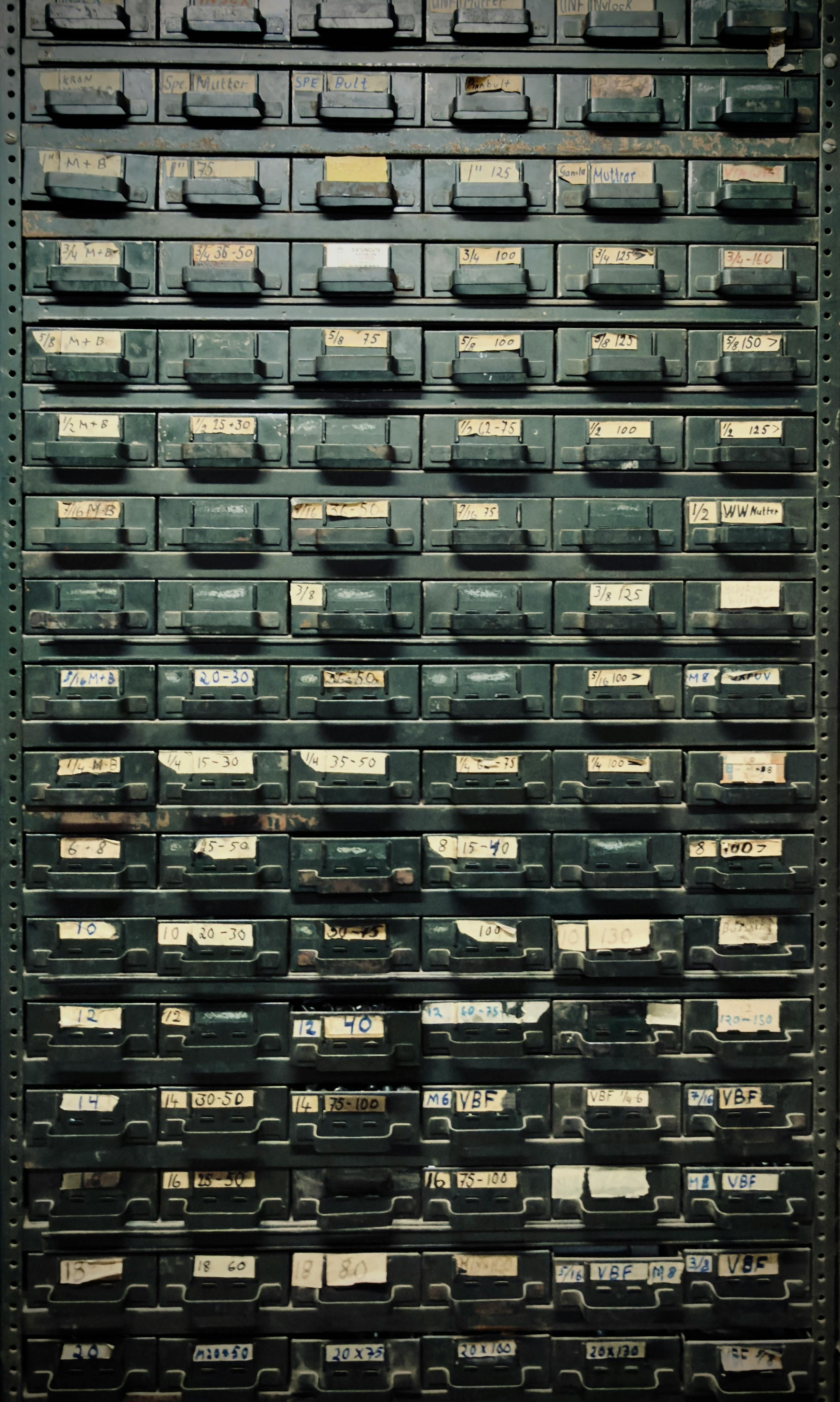
Every image source answers a different question. Editorial (News, Sports, Enertainment) answers what just happened. Creative answers what an idea looks like. Archive answers what something looked like then. Most sourcing mistakes, and most wasted licensing budget, come from asking one source the other's question.
Editorial: what just happened
Editorial wire is photography shot at speed by photographers who were there: news, politics, sport, business, public life, flowing in through the day. Its qualities are authenticity, speed and specificity. A wire photo shows the real person at the real event on the real date, with caption data that says exactly who, where and when.
Use wire when the subject is real and current: a news story, a profile, coverage of an event, anything where the reader expects the actual thing. A staged alternative reads as wrong immediately. Don't use it for anything promotional. Wire is editorial by nature; the people in it consented to nothing beyond being in public, so it belongs in journalism and information, never in advertising. And those captions matter more every year, because they are what lets you verify who is in the frame and when, while unverified images flood every other channel.
Creative: what an idea looks like
Creative stock is the opposite: model-released, property-released photography and illustration made to represent ideas, teamwork, growth, technology, place. Its qualities are polish, rights clearance and range.
Use creative when you are illustrating a concept rather than reporting a fact: campaigns, websites, brochures, conceptual art for features. The releases behind a commercial licence are what make those uses safe. Don't use it when the subject is a real, specific thing. Illustrating a news story about a particular company with a posed photo of "business people" is the most recognisable error in publishing, and readers clock it instantly. Features and opinion sit in between: conceptual imagery is often right, until a real person or event becomes the subject, at which point you switch to wire or archive.
Archive and specialist: what it looked like then
Archive and specialist collections are the deep end: historical photography, heritage and fine-art collections, natural history, travel and documentary depth that neither the daily wire nor mainstream creative libraries carry. Anniversary editions, books, documentaries and education live here.
Use archive when the past is the subject, and specialist collections when the subject is narrow: a region, a scientific field, an artistic tradition. The trap to respect is rights. Historical material often carries unexpected restrictions from estates, museums or territory limits, and the age of a photograph tells you nothing about its licence. Always read the actual terms, especially for print and book use.
The order to work in
For any image need, the questions run in order. Is the subject real and specific? Then wire if it's current, archive if it's historical. Is the subject an idea? Then creative, licensed for the use. Is the use promotional anywhere in its life? Then it must be commercially licensed, however editorial it feels today, because campaigns outlive their briefs. And before all of that: do we already own it? The fastest and cheapest source is your own library.
The catch is that these sources have always lived behind different suppliers, accounts and invoices, so teams default to whichever account is open and the logic above loses to convenience. That is the problem a single desk removes. At Fast Media, wire, creative, specialist and archive collections, the free libraries and your own media sit in one search, each clearly labelled, each licensed under stated terms with a certificate on every download. Ask the right source the right question, from one place, on one invoice.